Tractor tyre repairs can be a complex topic. There are a huge number of agricultural tyre types and sizes and injuries vary greatly depending on season, region and application.
Here in the UK, there is an increase in sidewall damage during ploughing, or in wet weather, as the tyres get bogged down in the softer ground, and more crown injuries in the summer when the ground is harder.
Algunos consejos para la gestión de los neumáticos agrícolas:
La importancia de la presión de los neumáticos
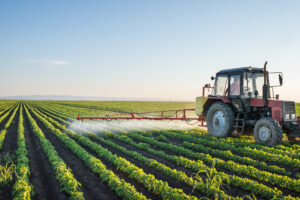
Many farmers lower their tyre pressure to 10psi or less to get better traction and reduce soil compaction. However it’s crucial to adjust the pressure back up when leaving and traveling on roads at greater than operational speed. Running at too low a pressure causes rapid heat generation and a subsequent increase in shoulder and sidewall splits due to bulging.
Otro problema habitual es la distribución de la carga. Hay que ajustar la presión de los neumáticos cuando la parte trasera del vehículo lleva una carga pesada. Los fabricantes suelen ofrecer una calculadora para calcular la presión óptima por eje.
Incorrect pressure increases the stress on tyres and causes uneven wearing, injuries and premature failures. The importance of pressure maintenance is always worth mentioning to customers so that they can avoid repeat injuries.
Tiempos de curación
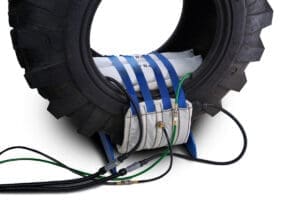
Agricultural tyres are comparatively thin, as such pared lateral cures are quick. Conversely, you will often need to use lug fillers to pack out the substantial treads for crown repairs. This adds to your cure time so always allow for the thickest section of tyre within the repair area when calculating the time. Póngase en contacto si desea ayuda para calcular los tiempos de curación.
Evaluar la salud de todo el neumático
It is less cost effective to attempt large repairs in an old tyre or one in generally poor condition. Consider the potential value will you ultimately get vs. the repair cost and downtime? It’s worth attempting larger or ambitious repairs in newer tyres.
Compruebe si hay daños en la zona de contacto entre el taco y la superficie del neumático.
 This can be caused by very high torque loading of the lugs on hard surfaces, overloading and or tyre pressures which are below recommended for the application.
Merece la pena comprobar regularmente los neumáticos en busca de signos de este tipo de daños externos. Estos daños pueden pulirse y repararse fácilmente. Estas reparaciones cosméticas evitarán que surjan más problemas en el futuro.
Consulte nuestro gama de sistemas de reparación de neumáticos para reparaciones agrícolas.